Our Therapeutic Services
Understanding Our Complete Therapeutic Arsenal
At Qi Life, we offer multiple powerful healing modalities, each with specific applications and benefits. Below is a guide to how we integrate them into your personalized treatment plan.
Body Acupuncture
The Foundation of Energy Medicine
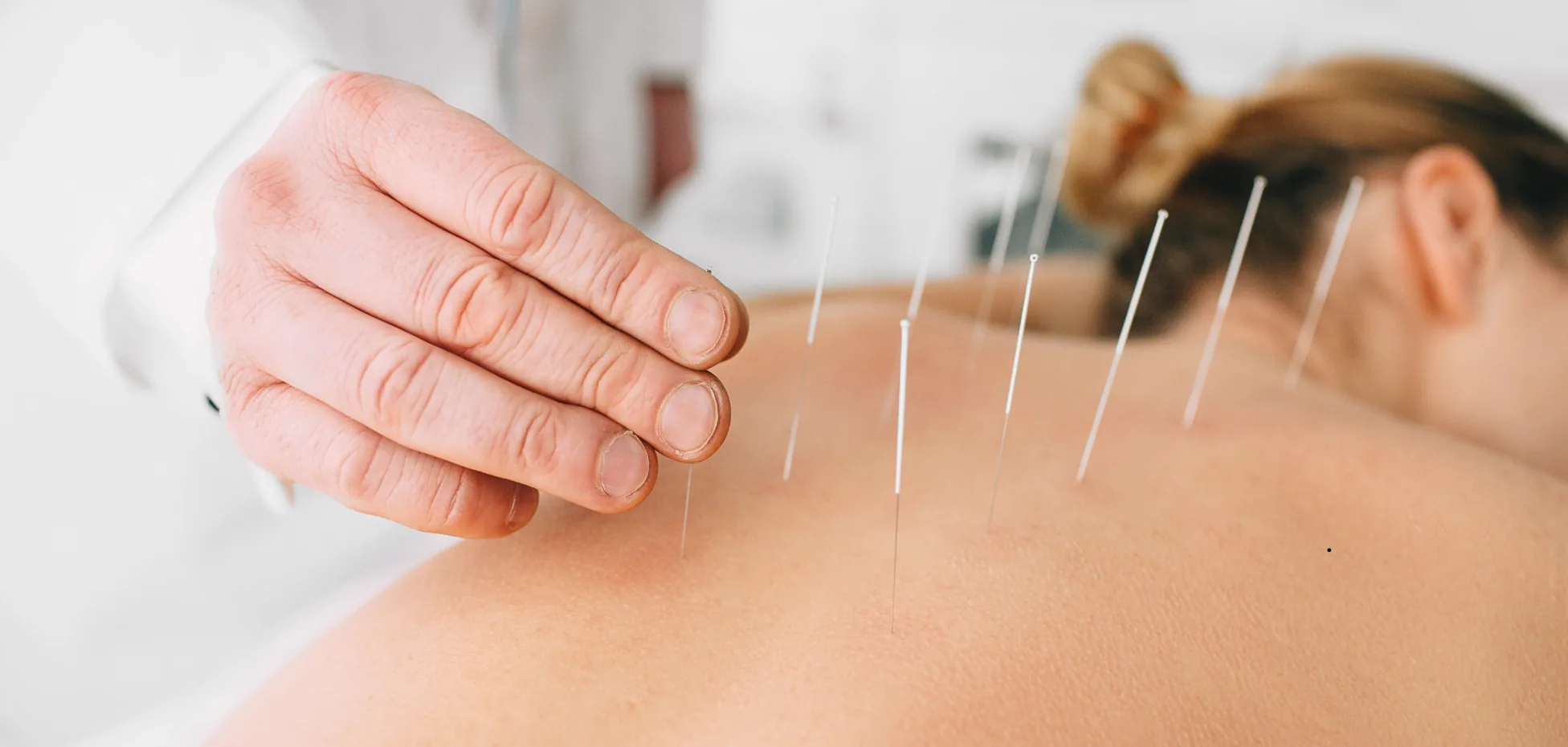
Body acupuncture represents one of humanity's oldest medical practices, documented in texts dating back nearly three thousand years. It forms the cornerstone of Traditional Chinese Medicine and remains the most extensively researched natural therapy in the world, with thousands of scientific studies validating its effectiveness.
The Fundamental Mechanism
Your body contains fourteen primary energy meridian pathways that carry vital energy (Qi) to every organ, tissue, and cell. Acupuncture points serve as access portals to this system.
Nervous System Activation
Stimulates nerve fibers, triggering the release of endorphins—your body's natural painkillers.
Enhanced Circulation
Causes blood vessels to dilate, bringing oxygen and nutrients while removing metabolic waste.
Parasympathetic Activation
Stimulates your body's "rest and heal" system, down-regulating stress hormones.
Reduced Inflammation
Reduces inflammatory signaling, addressing the root of many chronic health problems.
The Physical Experience
When you receive body acupuncture, you'll rest comfortably in a warm, quiet room. The needles we use are incredibly fine—far thinner than those used for injections.
Most people feel minimal sensation upon insertion. Once needles are in place, you rest for twenty to forty-five minutes. Many people drift into peaceful sleep and feel remarkably relaxed and "reset" after treatment.
Conditions That Respond Well
- Chronic Pain: Lower back, neck, etc.
- Headaches & Migraines
- Digestive Disorders
- Hormonal Conditions
- Sleep Disorders
- Anxiety & Depression
- Fertility Support
Scalp Acupuncture
Direct Intervention For Neurological Conditions
The Theoretical Foundation
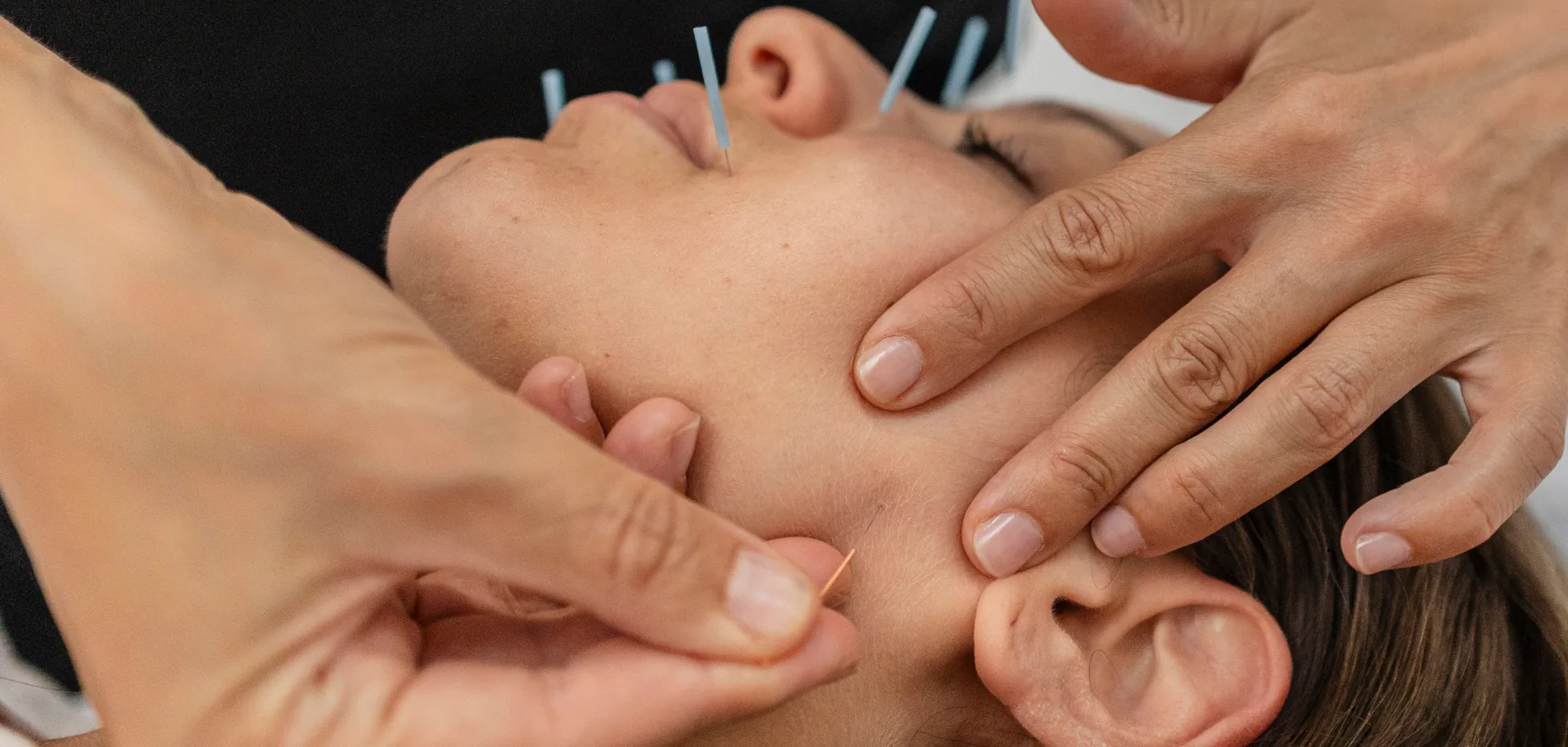
While body acupuncture treats through the meridian system, scalp acupuncture represents a more direct approach. Your scalp contains a "map" representing your entire brain and nervous system.
By stimulating specific scalp zones, we directly influence corresponding brain regions and neurological functions. Research shows it increases cerebral blood flow, improves neurotransmitter balance, and accelerates neuroplasticity—the brain's ability to rewire itself.
What Scalp Acupuncture Treats Best
Anxiety disorders respond remarkably well due to direct influence on the amygdala and prefrontal cortex. Depression improves through effects on mood-regulating brain regions.
Stroke recovery: Studies show scalp acupuncture significantly accelerates motor recovery, speech recovery, and cognitive recovery.
It's also highly effective for Traumatic brain injury, Parkinson's disease, fibromyalgia, and PTSD.
Sujok Therapy
The Complete Healing System
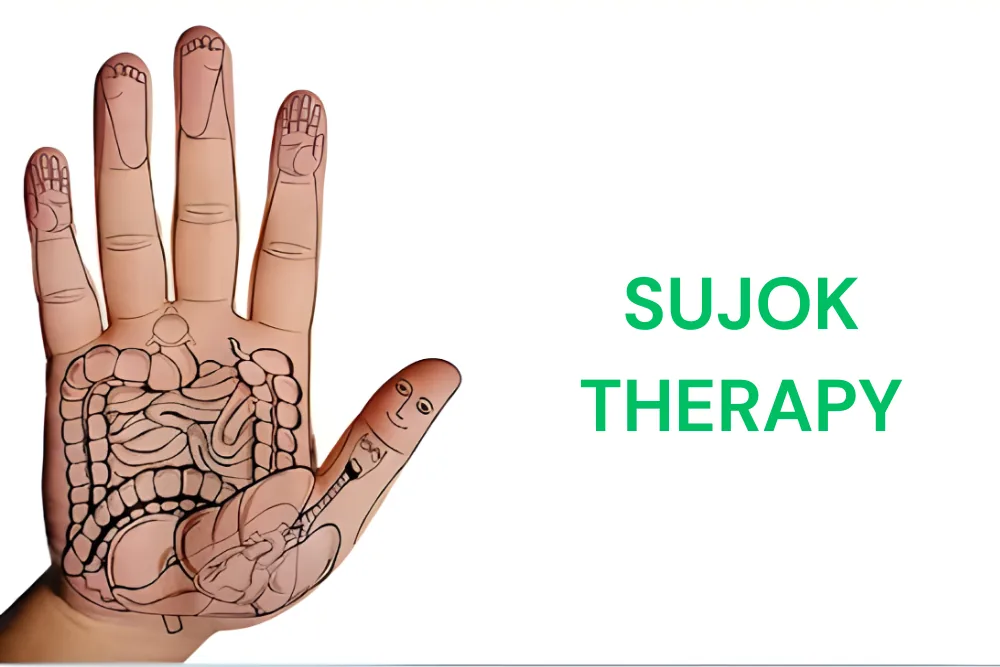
Sujok therapy is based on an elegant principle: your hands and feet contain complete representations of your entire body in miniature form. The term "Sujok" literally means "hand-foot" in Korean.
The Multiple Methods of Sujok
Needle / Seed Therapy
Extremely fine needles or natural seeds are applied to points. Patients can self-apply pressure to seeds for ongoing therapy.
Color / Magnet Therapy
Specific colors or magnet polarities are applied to points. Warm colors stimulate, cool colors calm, and magnets balance.
Moxa / Acupressure
Gentle heat (Moxa) is used for cold conditions, while needle-free manual pressure (Acupressure) is highly effective for all.
What Sujok Therapy Treats
The scope of Sujok therapy is remarkably broad. Pain conditions, metabolic disorders (diabetes), thyroid conditions, digestive disorders, and hormonal conditions all improve through targeted point stimulation.
What makes Sujok particularly valuable: Patients can participate in their own healing. Once trained, patients can perform Sujok acupressure on themselves, apply seeds or magnets, or use color therapy—providing daily therapeutic support between office appointments.
Auricular Acupuncture
Powerful Healing Through The Ear
The Ear Map
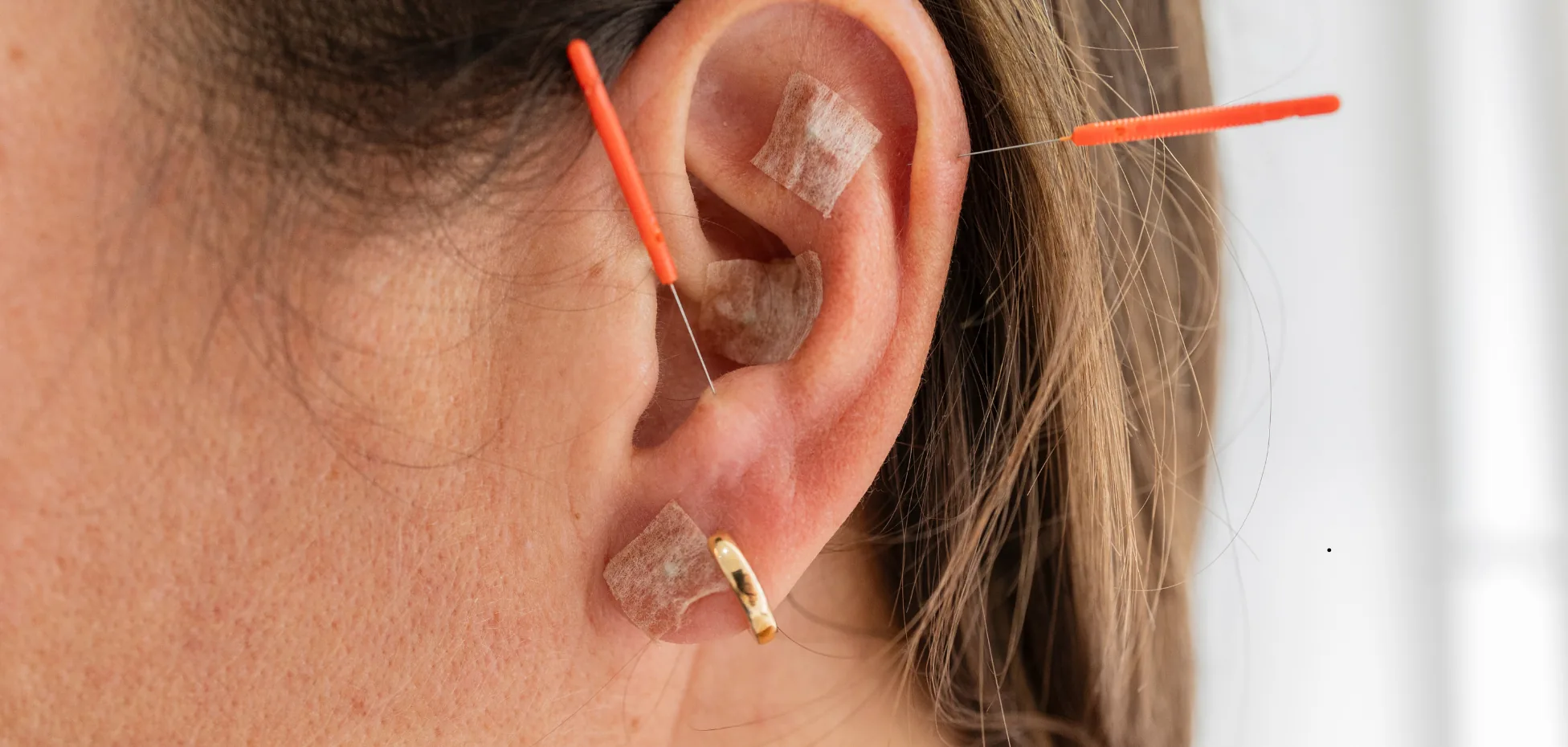
Your ear contains a complete microsystem representing your entire body. The earlobe represents the head, the inner curve represents the spine, and the middle portions represent internal organs.
By stimulating specific auricular points, we send signals through the vagus nerve and other neural pathways that influence corresponding body systems, regulate organ function, reduce pain, and calm the nervous system.
Treatment Methods
This can be delivered through fine needles, or small seeds/magnets held with adhesive, providing ongoing therapy for several days.
What Auricular Acupuncture Excels At
- Chronic pain conditions
- Stress and anxiety
- Insomnia & sleep disorders
- Addiction support
- Weight management
Acupressure
Needle-Free Energy Activation
How Acupressure Works
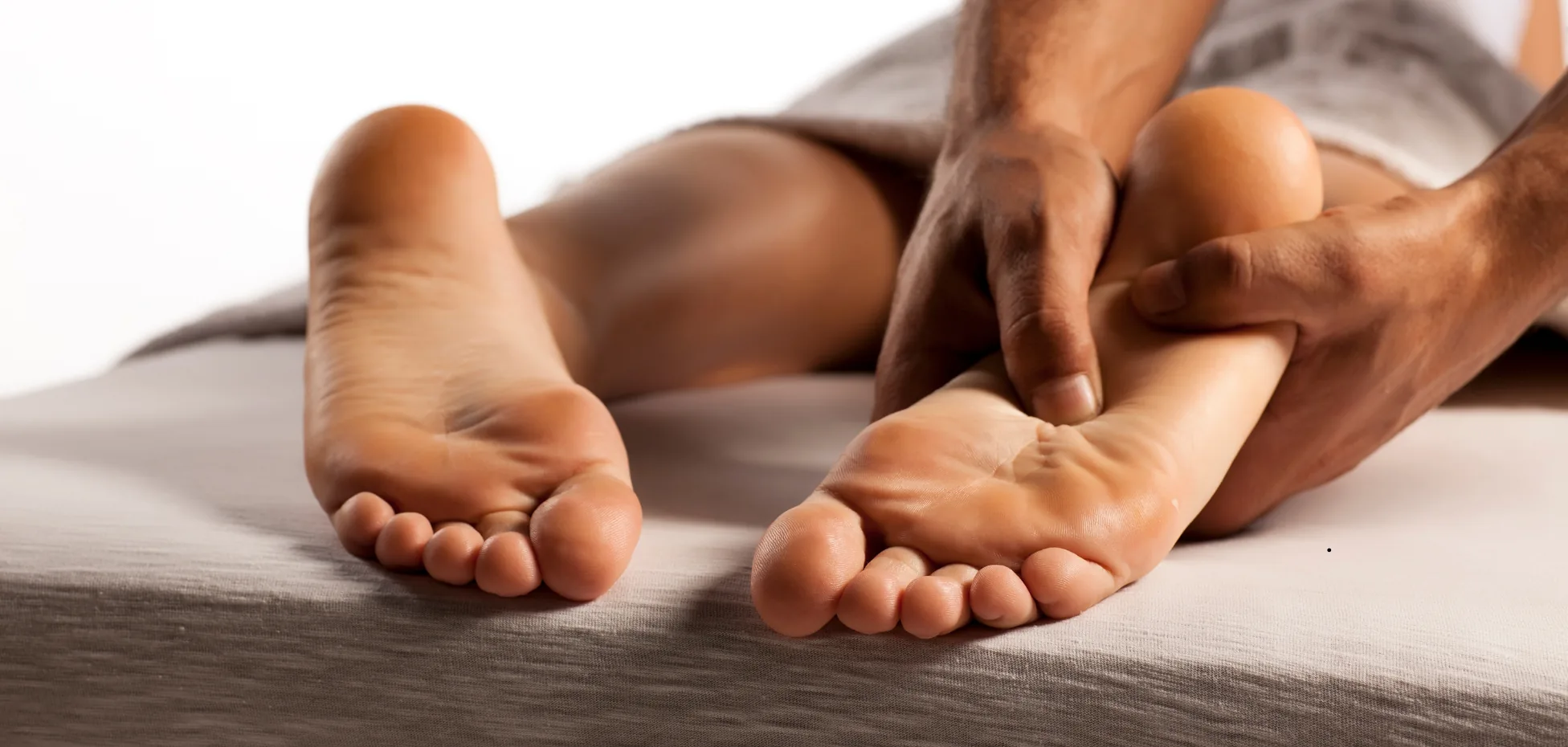
Acupressure applies the same fundamental principles as acupuncture—stimulating specific therapeutic points to activate healing—but uses firm, gentle finger pressure rather than needles.
When appropriate pressure is applied, the same neural activation occurs, triggering endorphin release, neurotransmitter balancing, and nervous system regulation. It also reduces muscle tension and promotes energy flow.
Advantages & Applications
For those uncomfortable with needles, acupressure offers the full benefits of point stimulation. It's equally effective for many conditions, particularly those related to tension, circulation, and energy stagnation.
Key points treat: Tension headaches, migraines, neck/shoulder tension, stress, anxiety, insomnia, lower back pain, knee pain, and digestive upset.
Food Therapy
Nourishment as Medicine

The Philosophy of Food as Medicine
Food isn't merely calories—it's information and medicine. Every food contains compounds that influence your body's function. Some foods promote inflammation while others reduce it.
Food also has "energetic properties." Different foods have warming or cooling effects. If someone has a "cold" condition, warming foods like ginger support healing. If "hot," cooling foods like cucumber support healing.
Food and Organ Systems
Different flavors support different organs: sour supports liver, bitter supports heart, sweet supports spleen, pungent supports lungs, and salty supports kidneys.
Personalized approach: Rather than one-size-fits-all recommendations, we assess your individual constitution and recommend specific foods and combinations that address your particular health challenges.
Lifestyle Management
Building Health Through Daily Choices

Your lifestyle—the daily habits, patterns, and choices you make—profoundly influences your health more than any single treatment. Lasting wellness requires supportive lifestyle patterns.
Physical Movement
Regular movement strengthens your cardiovascular system, maintains healthy weight, and improves mood through endorphin release.
Sleep Optimization
Quality sleep is one of your body's most powerful healing tools. During sleep, your immune system fights infection and tissues repair.
Stress Management
Chronic stress elevates stress hormones, damages immunity, and increases inflammation. We teach effective stress management.
Social Connection
Loneliness and social isolation increase disease risk. Strong relationships and social interaction support both mental and physical health.
Occupational Therapy
Restoring Independence in Everyday Life
Occupational therapy focuses on the activities that make up your daily life—dressing, cooking, writing, working, playing. When illness, injury, or developmental difficulty interrupts those activities, our therapists rebuild the skills, strength, and strategies you need to do them again on your own terms.
Activities of Daily Living
Retraining in self-care, household tasks, and personal routines so you can manage your day with confidence and minimal assistance.
Hand & Upper Limb Therapy
Targeted work on grip strength, fine motor control, and dexterity following injury, surgery, arthritis, or nerve involvement.
Paediatric & Sensory Support
Play-based intervention for children with developmental delay, handwriting difficulty, coordination challenges, or sensory processing needs.
Cognitive & Neuro Rehabilitation
Structured retraining of memory, attention, planning, and problem-solving after stroke, head injury, or neurological illness.
How We Work
Every plan begins with a functional assessment: what you want to be able to do, what currently stops you, and where the gap actually sits—strength, range, coordination, cognition, or the environment itself.
From there we build a graded programme of purposeful activity, add adaptive techniques and assistive aids where they help, and recommend modifications at home or at work so your surroundings support you rather than obstruct you.
Who Benefits
Occupational therapy pairs naturally with our energy-medicine work. Acupuncture and Sujok reduce pain and improve nerve response; occupational therapy converts that improvement into real functional gain.
Commonly helps: Stroke and neurological recovery, arthritis, post-surgical and post-fracture rehabilitation, repetitive strain, developmental delay in children, age-related loss of independence, and return-to-work planning.
Physiotherapy
Movement, Strength and Pain-Free Function
Physiotherapy restores the way your body moves. Through hands-on treatment and precisely prescribed exercise, we address the mechanical causes of pain and weakness—stiff joints, shortened muscles, poor movement patterns—so relief holds instead of returning.
Manual Therapy
Joint mobilisation, soft tissue release, and myofascial techniques that restore movement where stiffness and adhesion have taken hold.
Therapeutic Exercise
Progressive strengthening, stretching, and stability work prescribed for your specific deficit—and taught properly so you can continue at home.
Posture & Gait Correction
Assessment and retraining of standing, sitting, and walking patterns that quietly generate pain over months and years.
Supportive Modalities
Heat, cold, ultrasound, TENS, and taping used selectively alongside hands-on care to settle pain and inflammation so active rehabilitation can progress.
Our Assessment Process
We examine posture, joint range, muscle strength, and movement quality, then trace the symptom back to its mechanical source. Shoulder pain frequently originates in the neck; knee pain often begins at the hip.
Treating the site of pain alone brings temporary relief. Treating the source is what makes the result last—which is the same principle that guides everything else we do at Qi Life.
Conditions We Treat
Physiotherapy works particularly well in combination with acupuncture: needling releases muscle guarding and reduces pain, and physiotherapy then rebuilds strength and correct movement in that newly available range.
Commonly helps: Back and neck pain, sciatica, frozen shoulder, cervical and lumbar spondylosis, knee osteoarthritis, sports injuries, post-operative and post-fracture recovery, and stroke rehabilitation.